Apartment and Condo Mold Remediation in Field, MN
Mold removed from ceilings, shared walls and damaged materials in your Field apartment or condo. Call 24/7 to start your assessment and plan contained cleanup.
- Shared-wall moisture checks
- Containment and HEPA filtration
- Clear scope before removal
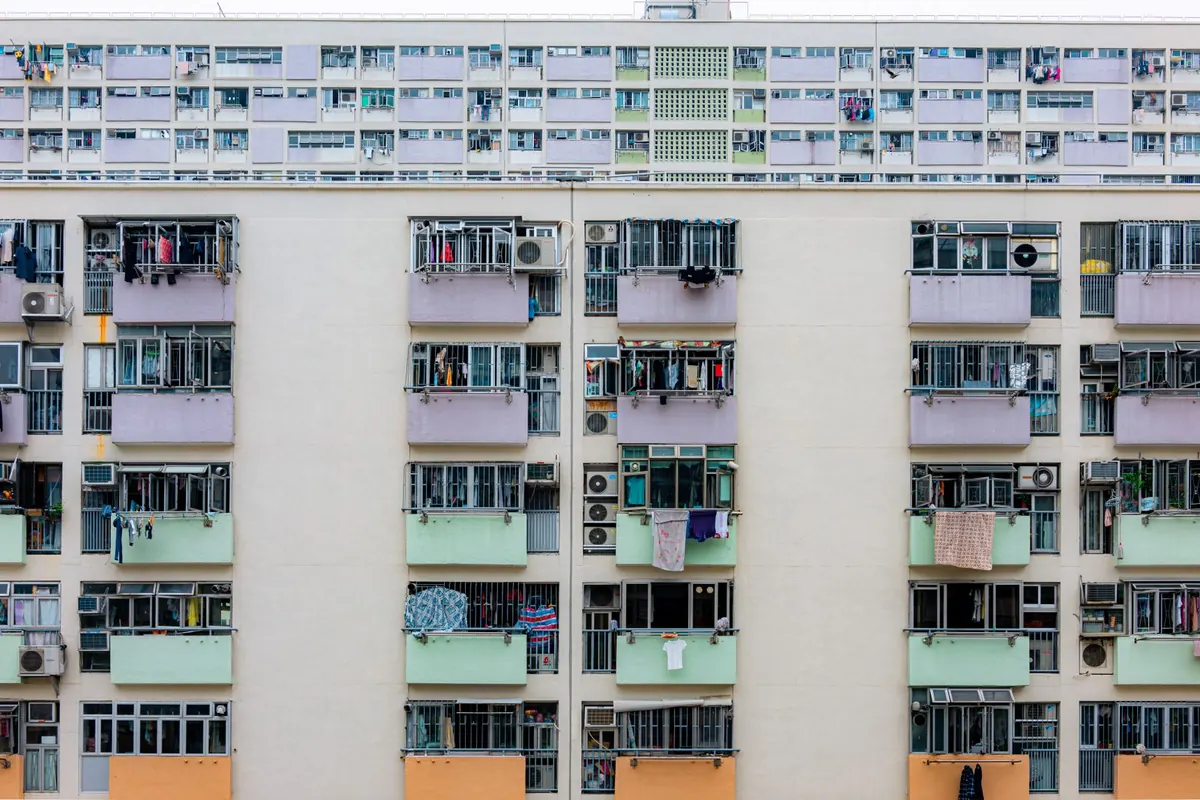
In Field, Apartment and Condo Mold Remediation Services
Cleanup addresses your unit's affected flooring, ceilings, bathroom walls and kitchen cabinets. When dampness reaches past visible growth, the assessment includes shared walls and plumbing cavities that can be accessed.
Sound framing is cleaned and then dried, along with non-porous surfaces. Within containment, mold-affected drywall and ruined insulation come out. Building materials and your possessions are evaluated separately.
Phased cleanup can divide a multifamily property into separate work areas. A plumbing stack leak or water from above may affect units next door. Your scope documents access and cleanup in writing while distinguishing separate repair work.
- Ceiling and shared-wall assessment
- Kitchen and bathroom cavity cleanup
- Contained drywall removal
- Damaged carpet and insulation removal
- Cleaning, drying and final checks
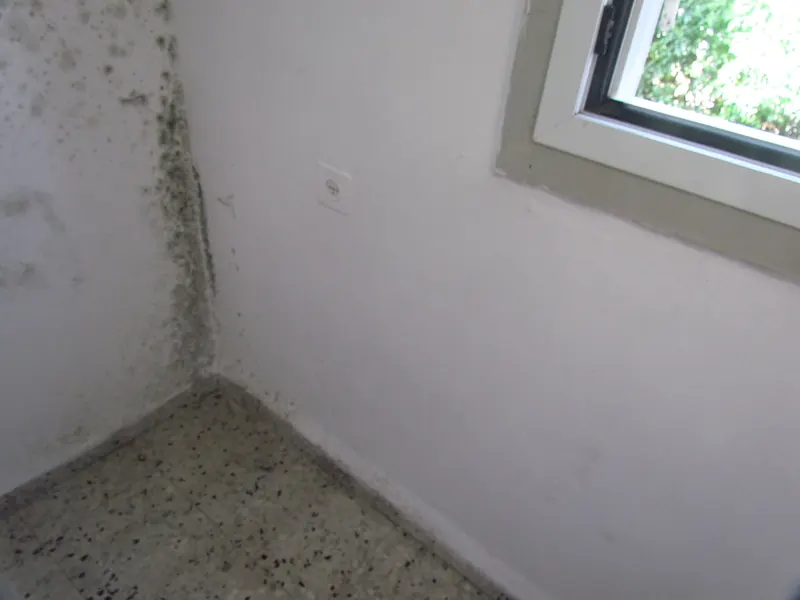
Recognizing the Need for Apartment Mold Removal
Returning spots, damp finishes and persistent odors can reveal hidden moisture.
Damp Condo Flooring
Wet carpet edges or swollen flooring can conceal affected materials below.
Musty Odor in Your Apartment
Persistent smells near closets, vents or flooring can accompany hidden dampness.
Stained Apartment Ceilings
Water marks or visible mold growth below another unit can signal a damp ceiling cavity.
Swollen Cabinets Beside Building Plumbing
Near a plumbing stack, softened cabinet backs and damaged baseboards may accompany a leak you cannot see.
Recurring Growth on Shared Walls
If spots reappear, your wall materials may remain damp or water intrusion may be ongoing.
The Process for Apartment Mold Cleanup Throughout Greater Minneapolis
An assessment starts your project. Contained cleanup follows, ending with final checks.
Apartment Assessment
Dampness throughout your unit is mapped with a moisture meter. A thermal imaging camera assists in finding differences in temperature without being able to identify mold.
Moisture Source and Scope
Where applicable, building plumbing is assessed alongside ventilation and shared cavities. Source repairs, access needs and the cleanup boundary are defined before work starts.
Work Area Containment
Poly sheeting creates the containment barrier. An air filtration device called a HEPA air scrubber filters the air; negative air pressure is applied when appropriate.
Damaged Material Removal
Bagging takes place inside containment for unsalvageable carpet pad, drywall and insulation. Openings reveal damaged cavities as the route for debris reduces disruption to people living in the building.
Apartment Surface Cleaning
For surfaces that remain, residue removal uses a HEPA vacuum plus damp cleaning. Antimicrobial treatment, when appropriate, supplements physical cleaning.
Controlled Drying
Air movers help control drying together with a dehumidifier. Before new materials enclose cavities, moisture readings monitor drying progress.
Post-Remediation Verification
Removal is checked alongside cleaning and drying against the agreed scope. An independent assessor performs specified clearance testing and issues the clearance report.
Containment Removal
Barriers come down after final checks. Before normal room use, your unit proceeds to rebuilding under a separate scope and any necessary finish repairs.
Choosing Minneapolis Mold Removal Services for Your Apartment and Condo Mold Remediation
Shared-Building Moisture First
Your assessment traces damp areas within accessible shared walls and cavities for plumbing ahead of removal.
Calls Answered 24/7
To begin cleanup in your apartment, call one metro-wide number at any hour of the day or night.
Clear Scope Before Removal
Your scope separates cleanup from source repairs and rebuilding before materials come out.
Removal Through Final Checks
Removal takes out damaged materials, and checks confirm cleaning and drying before containment is dismantled.
Contained Apartment Work
HEPA filtration and planned debris routes limit particle spread beyond your work area.
Before Apartment Cleanup in Hennepin County
Call for your assessment, keeping damaged finishes untouched.
- Report active leaks. Notify your property manager or building contact so water entry can be addressed.
- Keep the affected space clear. Restrict access to damaged materials for your pets and children.
- Leave walls and ceilings intact. Avoid scraping growth or lifting carpet with mold, and leave tear out unstarted.
- Avoid wet electrical areas. Water near outlets or ceiling fixtures and wiring is an area to avoid.
- Avoid spreading particles. If contamination is suspected, do not use your HVAC system; keep fans pointed away from mold.
Your Field Apartment and Condo Cleanup Cost
The national figures shown are published general cleanup ranges, not pricing for your unit. Your cost is based on damage found and access requirements instead of the full apartment's floor area.
Typical national range, average $3,500
$1,500 to $9,000 per jobSource: Fixr, Mold Remediation Cost (checked 2026-10-23)Typical range, average $2,300
$1,200 to $3,750 per jobSource: This Old House, Mold Remediation Cost (cost data credited to Angi) (checked 2026-10-23)Areas over about 10 square feet: professional work rate
Per square foot: $10 to $30Source: Fixr, Mold Remediation Cost (checked 2026-10-23)What Influences Your Apartment Mold Cleanup Cost
- Building work hours and debris routes
- Affected rooms and hidden growth
- Access requirements for adjacent units or shared cavities
- Damaged material removal and disposal
- Separately scoped testing, source repairs and rebuilding
- Containment and HEPA filtration
The Price of Your Unit's Mold Cleanup
These published national ranges are planning figures. Your on-site assessment defines the work and price before cleanup starts, including any separate source repairs or rebuilding.
Call (844) 352-3560 about costApartment and Condo Mold Remediation Service Area Across Greater Minneapolis
Call (844) 352-3560 to arrange cleanup in Field or nearby communities. One number covers the metro.
Apartment and Condo Mold Remediation in Locations Near Field
ZIP codes
What People Ask About Apartment and Condo Mold Remediation in Field
How long does apartment cleanup take in Field?
Assessment comes before scheduling your work. Opening shared walls or drying ceiling cavities takes more work than cleaning surfaces. Each stage depends on moisture readings and building access. Rebuilding can delay room reopening, while containment removal takes place only after final checks.
Is staying in your unit possible during apartment mold removal?
Whether you can stay depends on essential-room access, your layout and the boundary of the work. The affected area remains restricted while cleaning proceeds. Shared ventilation, exits and household needs are considered beforehand. If work restricts your kitchen or bathroom access, containment by itself does not confirm that staying is appropriate.
What needs to be removed for cleanup in your condo?
You may need to remove damaged insulation and drywall, along with moldy carpet pad. You can often retain sound framing and accessible hard surfaces after cleaning and drying. Your assessment determines which affected materials lie within shared walls or behind cabinets. Removal follows damage and cleaning access, rather than stain color.
Does cleanup also include fixing a leak from another unit?
During cleanup assessment, the moisture source is examined, including a leak from above or the building plumbing shared by units. Repairs to the source are included only if your scope names them. Access arrangements for affected units allow cleanup and needed repairs along the water path ahead of restoring finishes.
Do you need testing ahead of the work or afterward?
Air sampling often is not needed for visible growth, according to EPA guidance. Inspection establishes moisture and affected materials. Checks on drying and cleaning precede the removal of containment. Specified clearance testing is performed by an independent assessor. No federal limit applies to levels of mold indoors.
Is mold in my apartment likely to return after cleaning?
Mold may grow back when water problems continue. Leaks, ventilation concerns and condensation are traced in your assessment before removal begins. Before repairs enclose materials being kept, cleaning and drying take place. Finishing source repairs and using humidity control help prevent conditions favorable to growth.
How much does unit cleanup cost in Hennepin County?
Pricing for your work reflects access to hidden spaces, assessed damage and the containment needed. The preceding cards list national ranges from sources for general remediation costs. Drying requirements and shared cavities may alter your total. Your scope must list testing, rebuilding and plumbing repairs for those tasks to be included.
Apartment Mold Cleanup: Insurance Considerations in Minnesota
Insurance coverage varies with what caused the damage, your deductible and the terms and exclusions of the policy. Condo homeowners insurance may treat rebuilding, cleanup and possessions differently from renters coverage or a building policy.
Apartment Mold Cleanup Precautions Throughout Greater Minneapolis
Particle spread is limited by containing work and controlling debris movement where residents remain.
Apartment Dust Control
When removal stirs mold spores, protective equipment and HEPA filtration help support work within containment.
Shared Hallways
Waste is sealed within containment before being carried through your building's common corridors.
Hidden Dampness
You cannot confirm dry framing or insulation behind a wall from dryness on the surface.
Contaminated Water
For sewage or contaminated water damage, EPA recommends professional help with relevant experience.
Cleanup scope: You can often clean areas under about 10 square feet yourself, EPA says. Professional assessment is needed for larger areas or HVAC involvement; shared building construction may mean accessing spaces outside your unit.
Apartment Materials Cleaned or Removed in Hennepin County
What can be reached, and its condition, shapes cleanup and removal.
Non-Porous Surfaces
- Sound glass, glazed tile and metal are cleaned and dried.
Porous Materials
- You may be able to keep sound framing after cleaning; moldy carpet, drywall and insulation may need discarding.
Your Belongings
- Your clothing and furniture receive separate assessments from nearby flooring and walls.
Project Schedule for Apartment Mold Cleanup in Hennepin County
Your timing depends on access, then removal, drying and final checks.
- Access: Shared risers, neighboring units and elevator availability can affect the start of work.
- Drying: Moisture readings and the condition of materials establish when the next stage can begin.
- Room use: Necessary finish repairs and verification influence the timing of room reopening.
Apartment Mold Cleanup in Field: Humidity and Odor
Your ongoing odor calls for a look at surrounding materials that are damp. Adding fragrance cannot get rid of the source of that moisture.
Aim for 30 to 50 percent indoor relative humidity, ideally, and keep it below 60 percent as EPA recommends. You still need any necessary leak repair when using dehumidification.
Your Minnesota Apartment Mold Cleanup Requirements
Apartment Work Requirements
The Minnesota Department of Health says neither the state of Minnesota nor any federal agency licenses or certifies mold investigators or remediators. If you are hiring someone, ask about their training and experience, and check your local contractor rules.
Building Access
Entry, work hours and debris routes are coordinated with the property manager or condo association; after-hours work depends on building access.
EPA Drying Guidance
EPA recommends drying items and areas damaged by water within 24 to 48 hours as a way to prevent mold growth.
State Mold Information
The Minnesota Department of Health, Environmental Health Division, Indoor Air Unit offers phone and email advice on mold at 651-201-4601. It does not offer inspection or testing services.
State guidance: Minnesota Department of Health: Mold in homes; Minnesota Revisor of Statutes: 513.55 Disclosure
Related Services and Next Steps
Start Your Apartment and Condo Mold Remediation in Field
Call 24/7 to arrange your assessment. Your cleanup starts with the affected surfaces, moisture source and access to your home.